
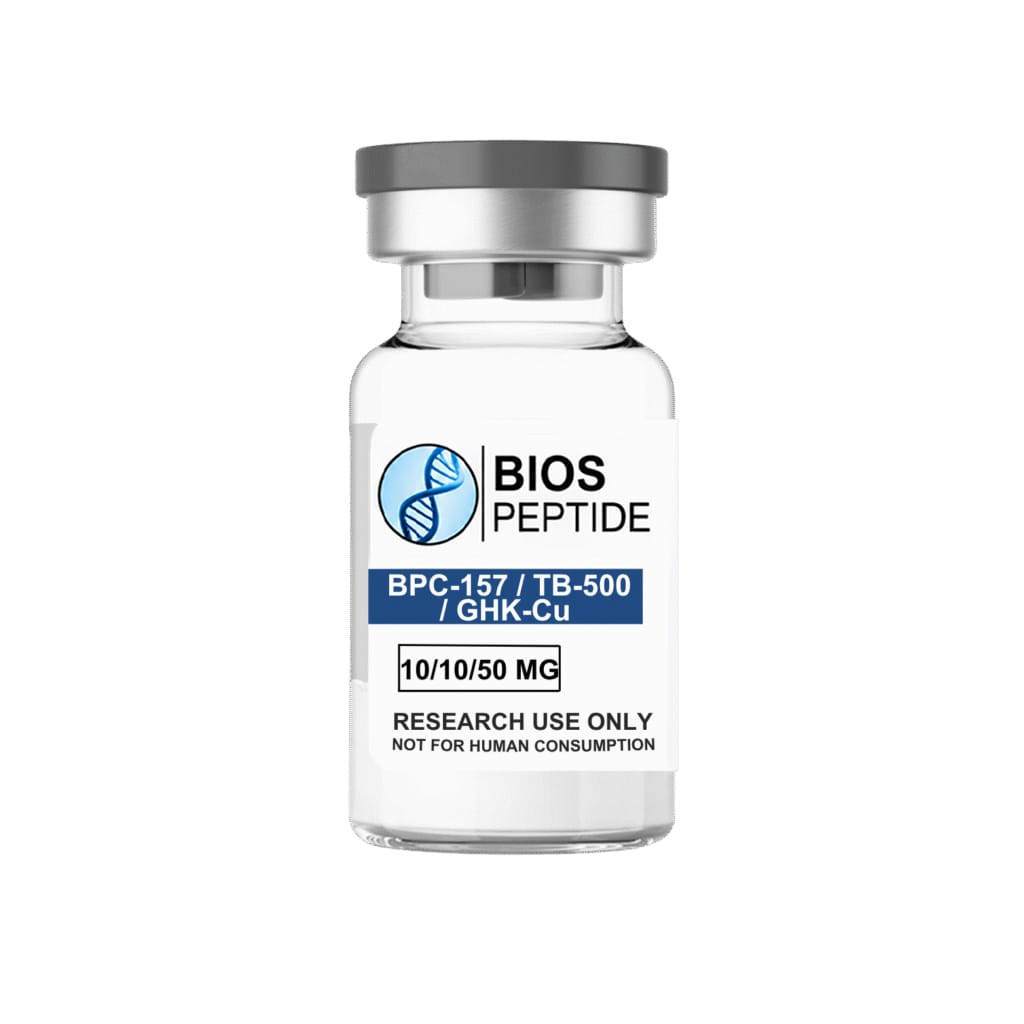
Although BPC-157 / TB-500 / KPV / GHK-Cu 10/10/10/50 for Sale
BPC-157 / TB-500 / KPV / GHK-Cu 10/10/10/50 for Sale. Peptide science has grown rapidly as researchers continue to explore how small protein fragments influence cellular signaling pathways. Compounds such as BPC-157, TB-500, KPV, and GHK-Cu have become widely discussed within peptide research communities due to their potential roles in cellular repair mechanisms and biochemical regulation.
The 10/10/10/50 formulation represents a multi-peptide combination frequently examined in laboratory studies that investigate peptide interactions and biological signaling responses. Researchers often explore peptide blends to better understand how different peptides may influence cellular pathways simultaneously.
Laboratories seeking consistent peptide quality typically obtain research materials from reliable suppliers. Scientists working with peptide compounds can source high-purity materials through biospeptide.com, a specialized provider of research peptides and laboratory compounds.
Scientific Background of Each Peptide
BPC-157
BPC-157 is a peptide derived from a protein found in gastric systems. In research settings, scientists study this compound in relation to cellular repair processes, tissue signaling pathways, and peptide-based biochemical mechanisms.
TB-500
TB-500 is a synthetic version of thymosin beta-4 fragments. Researchers frequently explore this peptide in studies related to cellular migration, structural protein signaling, and tissue-related biochemical responses.
KPV Peptide
KPV is a tripeptide fragment derived from alpha-melanocyte-stimulating hormone (α-MSH). Scientific studies often investigate this peptide in relation to inflammatory signaling pathways and immune response research models.
GHK-Cu
GHK-Cu is a copper peptide complex studied for its role in cellular signaling and biochemical regulation processes. Researchers frequently examine GHK-Cu in laboratory environments focusing on peptide-mediated cellular communication and tissue biology.
By combining these peptides into a single formulation, researchers can explore peptide synergy and the interaction of multiple biochemical signaling pathways within controlled experimental settings.
Key Research Areas
Tissue and Cellular Signaling Research
Researchers study peptide blends to understand how peptides interact with cellular repair mechanisms and tissue communication pathways.
Peptide Interaction Studies
Multi-peptide combinations allow scientists to observe how different peptides may influence biological pathways simultaneously.
Inflammatory Signaling Research
Certain peptides within this formulation are often studied in laboratory models examining inflammation-related signaling pathways.
Cellular Communication Pathways
Peptides serve as signaling molecules within biological systems, making them important subjects of study in biochemical research.
As peptide science continues advancing, multi-peptide formulations are becoming increasingly relevant for laboratory experimentation.
Purity and Laboratory Quality
Maintaining peptide purity is essential for laboratories conducting reliable biochemical research. Research-grade peptide compounds help ensure experimental consistency and accurate observations.
Peptides supplied through biospeptide.com are prepared with careful attention to laboratory research standards, including:
-
high purity peptide synthesis
-
controlled laboratory preparation
-
secure packaging to maintain peptide stability
-
reliable supply for research laboratories
These standards allow researchers to conduct experiments using consistent and dependable peptide materials.
Why Researchers Choose BiosPeptide
Research institutions and laboratories often rely on suppliers that specialize in peptide science. BiosPeptide has developed a reputation for providing research peptides that support laboratory investigations.
Research-Focused Peptide Supply
Products are supplied specifically for scientific and laboratory research use.
Trusted Peptide Source
Researchers benefit from a supplier dedicated to peptide compounds and biochemical research materials.
Secure Packaging and Handling
Peptides are packaged carefully to maintain compound stability during shipping and storage.
Expanding Peptide Catalog
Although Scientists gain access to a wide selection of peptides used in modern biochemical research.
For laboratories sourcing peptide compounds, biospeptide.com provides a reliable platform for obtaining research materials.
Storage and Handling Guidelines
Peptide compounds require proper storage to maintain stability during laboratory research. Scientists typically follow established storage procedures when working with peptide materials.
Recommended handling practices include:
-
storing peptides in refrigerated or controlled environments
-
protecting compounds from heat and light exposure
-
using sterile laboratory equipment during preparation
Following proper storage guidelines helps preserve peptide integrity throughout research experiments.
Research Use Notice
Although all peptide compounds available through biospeptide.com are intended strictly for laboratory and scientific research purposes only. These products are not intend for human consumption, medical treatment, or diagnostic applications.
Researchers should ensure that all compound handling complies with laboratory safety protocols and applicable regulations.
Final Recommendation
Although Peptide blends such as BPC-157 / TB-500 / KPV / GHK-Cu 10/10/10/50 continue to attract interest within peptide research communities studying cellular signaling and biochemical pathways. Multi-peptide formulations allow laboratories to investigate peptide interactions within complex biological systems.
Researchers seeking dependable peptide materials can obtain high-purity compounds through biospeptide.com, a supplier dedicated to providing laboratory-grade peptides for scientific research.


Reviews
There are no reviews yet.