
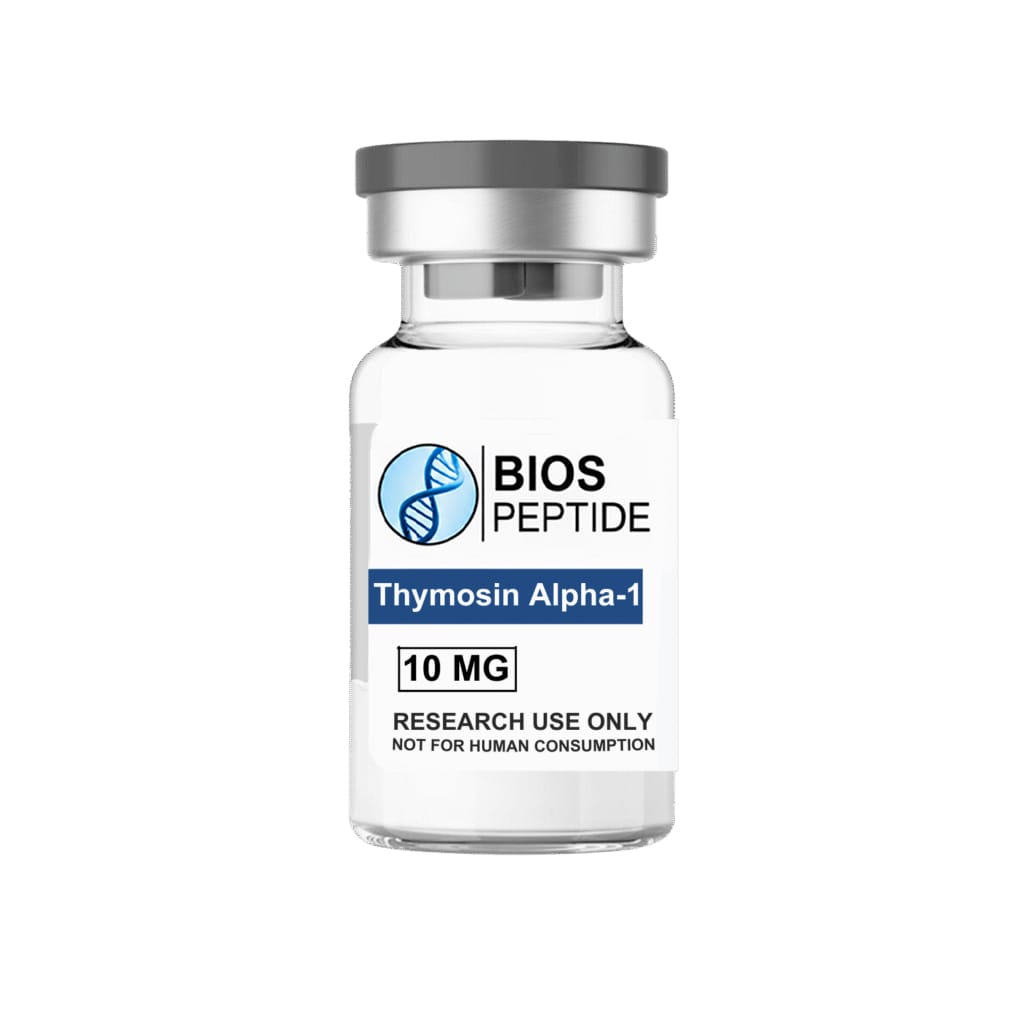
Thymosin Alpha-1 for Sale
Compound Name: Thymosin Alpha-1
Peptide Class: Synthetic thymic peptide
Research Category: Immune signaling and peptide interaction research
Form: Lyophilized peptide powder
Grade: Laboratory research grade
Supplier: biospeptide.com
Overview of Thymosin Alpha-1
Thymosin Alpha-1 is a synthetic peptide modeled after a naturally occurring thymic peptide that has been widely studied in molecular biology and peptide science research. Within biological systems, thymic peptides are known to play roles in signaling pathways related to immune system communication.
Because peptides act as molecular messengers within biological environments, researchers often investigate compounds like Thymosin Alpha-1 to better understand how peptide signals interact with cellular receptors and biochemical pathways.
The Thymosin Alpha-1 research peptide provides laboratories with a valuable compound for exploring peptide behavior in controlled scientific studies. As peptide science continues to evolve, compounds within this class remain important for experimental biochemical investigations.
Scientific Importance in Peptide Research
Peptide molecules play a crucial role in many biological communication systems. Researchers studying peptide signaling frequently examine compounds that interact with molecular pathways related to immune regulation and cellular communication.
Thymosin Alpha-1 has attracted scientific interest due to its structural properties and its relationship to naturally occurring thymic peptides. In laboratory environments, peptides such as this allow scientists to explore complex signaling networks and biochemical responses.
Through controlled experiments, researchers can analyze how peptide sequences influence cellular communication and molecular interaction processes.
Common Laboratory Research Areas
Scientific laboratories may examine Thymosin Alpha-1 in several experimental contexts, including:
• peptide signaling pathway studies
• immune-related molecular interaction research
• biochemical communication analysis
• peptide-receptor interaction experiments
• molecular biology and biotechnology studies
These research areas demonstrate why peptides remain essential tools in modern biochemical investigation.
Quality and Purity Considerations
Reliable research outcomes require compounds synthesized with high levels of purity and consistent preparation standards. In peptide research, even minor variations in compound quality can influence experimental accuracy.
Peptides supplied through biospeptide.com are prepared according to laboratory-focused standards, including:
-
controlled peptide synthesis processes
-
careful handling and packaging
-
stable compound preparation
-
reliable availability for research laboratories
These quality measures help ensure that researchers receive dependable materials for their experimental work.
Storage and Handling
Proper storage is essential for maintaining peptide stability during research. Laboratories typically follow several best practices when handling peptide compounds:
• store peptides in refrigerated conditions
• avoid excessive heat or direct light exposure
• prepare solutions using sterile laboratory equipment
Following these procedures helps preserve compound integrity and research reliability.
Why Researchers Choose biospeptide.com
Researchers seeking peptide compounds for laboratory studies often rely on biospeptide.com as a specialized supplier of research peptides. The platform focuses on providing compounds suitable for experimental and scientific investigations.
Advantages include:
-
dedicated peptide research catalog
-
laboratory-grade compound preparation
-
secure packaging and delivery
-
reliable sourcing for peptide research materials
These features help make biospeptide.com a trusted supplier within peptide research communities.
Research Use Notice
All peptide products available through biospeptide.com are supplied strictly for laboratory and research purposes only. These compounds are not intended for human consumption, medical use, or therapeutic applications.
Researchers should ensure that all peptide handling procedures comply with applicable laboratory safety standards and research regulations.


Reviews
There are no reviews yet.