
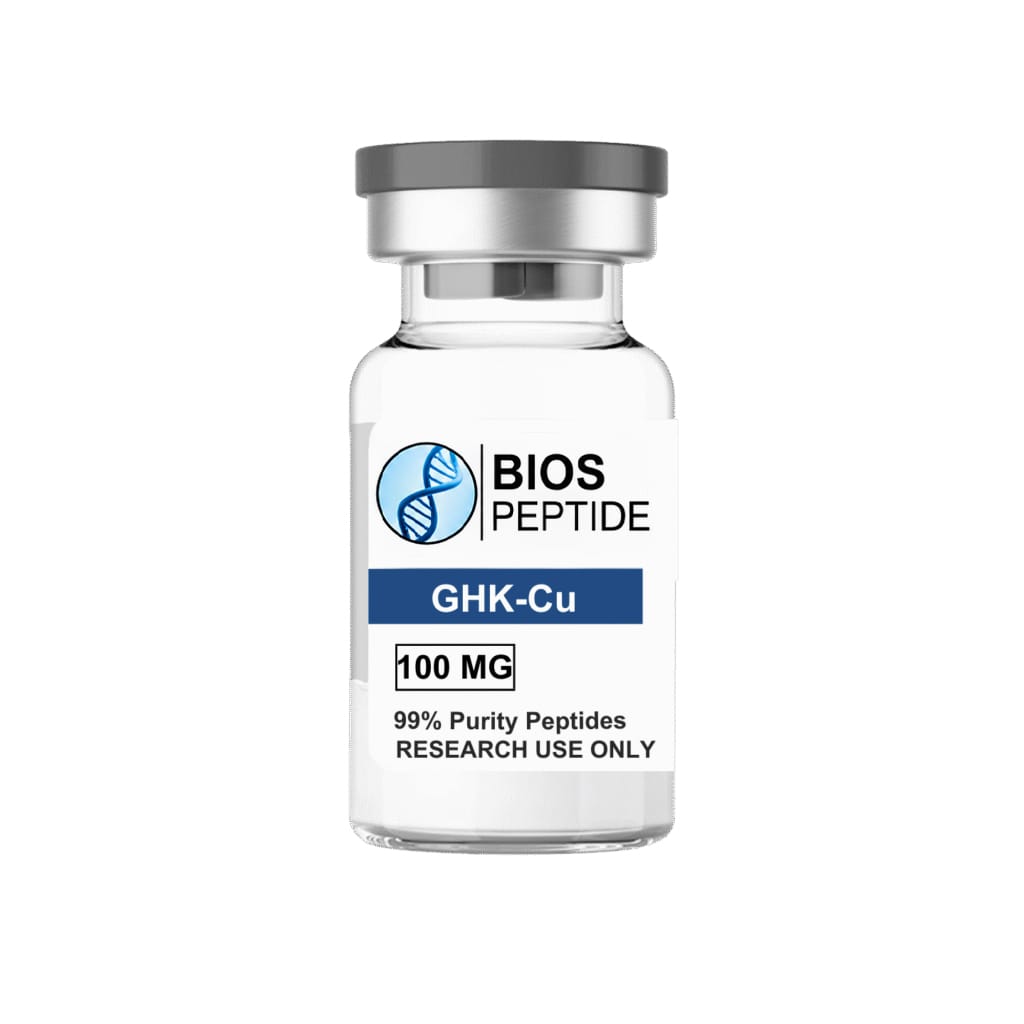
Bulk GHK-Cu Copper Peptide 100MG x 10 Vials
Compound Name: GHK-Cu (Copper Peptide)
Peptide Quantity: 100MG per vial
Package Size: 10 Vials (Bulk Research Supply)
Peptide Category: Copper-binding tripeptide
Form: Lyophilized peptide powder
Research Use: Laboratory investigations only
Supplier: biospeptide.com
Understanding GHK-Cu Copper Peptide
GHK-Cu, also known as Glycyl-L-Histidyl-L-Lysine Copper Complex, is a naturally occurring tripeptide capable of binding copper ions. Within scientific research, this peptide is often explored to understand how metal-binding peptides interact with biological signaling systems and cellular communication pathways.
Copper-binding peptides play an important role in biochemical studies because metal ions can influence many molecular processes. GHK-Cu therefore serves as an important research compound when scientists investigate peptide–metal interactions, biochemical signaling, and molecular communication.
The bulk 100MG vial format allows laboratories to conduct extended experiments involving peptide-metal binding and peptide stability studies.
Scientific Research Interest
Peptides that interact with metal ions provide researchers with valuable insights into complex biological systems. In laboratory environments, scientists may study GHK-Cu to explore how peptides influence molecular signaling networks and biochemical processes.
Experimental research involving GHK-Cu may focus on:
• peptide–metal ion interaction studies
• biochemical signaling pathway analysis
• molecular communication systems
• peptide structure and stability investigations
• cellular signaling research models
These studies contribute to a deeper understanding of peptide chemistry and molecular biology.
Benefits of Bulk Research Packaging
Research laboratories often require consistent supplies of peptide compounds for ongoing scientific investigations. Bulk peptide packages help maintain continuity across experimental phases.
Advantages of the GHK-Cu 10-vial bulk pack include:
-
consistent peptide batches for experimental reliability
-
sufficient material for extended research projects
-
efficient inventory management for laboratories
-
reduced ordering interruptions during long-term studies
This format is particularly useful for institutions conducting large-scale peptide research programs.
Storage and Laboratory Handling
Maintaining peptide stability requires careful handling and proper storage conditions during research use. Laboratories generally follow these recommended practices:
• store peptides under refrigerated conditions
• minimize repeated freeze–thaw cycles
• reconstitute peptides using sterile laboratory solvents
• protect vials from excessive heat and direct light exposure
Following these guidelines helps preserve the peptide’s structural integrity during experimental work.
Quality and Preparation Standards
Reliable research outcomes depend heavily on peptide purity and controlled synthesis procedures. Peptides supplied through biospeptide.com are prepared according to standards suitable for scientific research environments.
Quality practices include:
-
controlled peptide synthesis methods
-
stable lyophilized powder preparation
-
secure packaging for laboratory shipment
-
consistent production batches for research applications
These factors help researchers maintain dependable materials for experimental studies.
Why Scientists Choose biospeptide.com
Researchers seeking specialized peptide compounds frequently turn to biospeptide.com, a platform dedicated to supplying research-grade peptide materials.
Key advantages include:
-
extensive catalog of peptide research compounds
-
bulk peptide supply for laboratories and institutions
-
consistent product preparation standards
-
reliable packaging and delivery for research orders
This makes biospeptide.com a dependable supplier for peptide research materials.
Research Use Notice
All peptide compounds offered through biospeptide.com are intended strictly for laboratory research purposes only. These materials are not intended for human consumption, medical use, or therapeutic applications.
Researchers must ensure all compounds are used in accordance with laboratory safety standards and research regulations.


Reviews
There are no reviews yet.